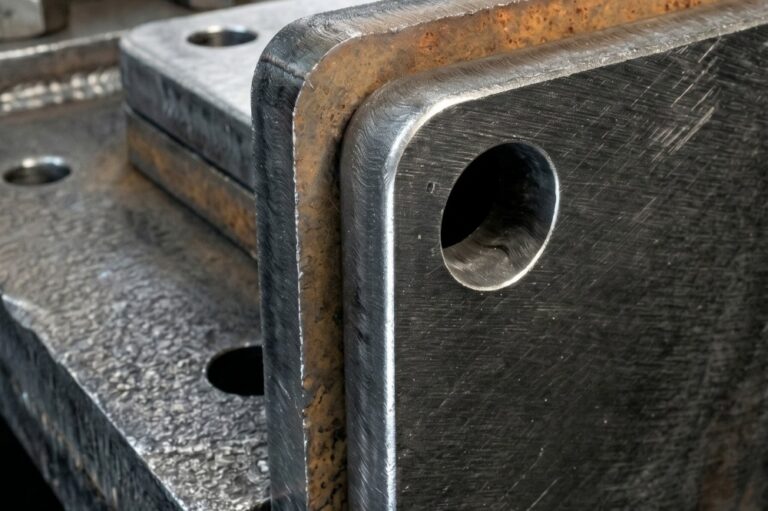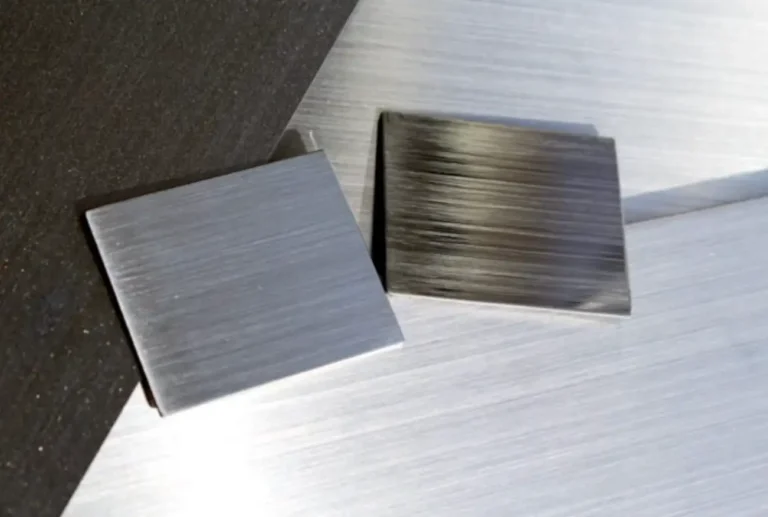
Starting an extensive overview pertaining to mechanized systems constructed intended for edge smoothing offer enhanced processing routines, offering marked gains about efficiency and caliber. Our article reviews the various types of appliances, comprising buffing spraying modules, whirling machines, and cutting-edge CNC platforms. We will review the pros of applying these technologies, for instance curtailed workforce expenses, raised component reliability, and upgraded manufacturing efficiency.
Border Beveling Machines: Exact Finalizing Outlined
Edge deburring apparatuses offer a innovative solution for achieving accurate completion on materials. Beyond manual methods, these robotic apparatuses supply reliable products and significantly enhance fabrication performance. The machines usually implement mixed cutting implements like diamond wheels, buffing rotors, or bespoke configurations to cut away sharp ends and defects. These kinds of technique is key in a expansive selection of trades, encompassing flight and instrumentation.- Advance coating caliber
- Lessen industrial expenditures
- Boost yield and capability
Impurity Extraction Machines: Gaining Immaculate, First-Class Layers
Contemporary steelmaking procedures predictably yield significant amounts of dross, a byproduct that, if overlooked, can severely reduce the standard of the end result. Fortunately, advanced slag removal machines offer a proven solution. These purpose-built machines, employing techniques like blasting, are designed to thoroughly eliminate this unwanted material, ensuring a pure and premium surface. The resulting benefits include lessened rejection rates, refined aesthetic appeal, and an overall increase in workflow efficiency. By utilizing state-of-the-art slag removal technology, manufacturers can consistently deliver top-tier surfaces and match stringent requirements.
Sheet Fabrication Finalizing: The Benefits of Deburring Machines
Obtaining a high quality on sheet metal pieces is paramount for efficiency, and deburring machines supply major gains over hand methods. Discarding burrs effectively not only raises the overall quality of the entity, but also avoids foreseeable issues during integration and operation. What’s more, robotic deburring operations improve operation currents and decrease employee expenses.
Improving Sheet Metal Production with Automatic Deburring
To increase capacity in sheet metal manufacturing, implement mechanized deburring processes. Old-fashioned deburring is customarily slow and subject to aberrations. Implementing intelligent deburring furnishes substantial improvements, encompassing reduced staffing outlays, advanced output reliability, and higher output volumes. These resources will substantially repay themselves.Opting for the Fitting Deburring Device for Your Process
Ascertaining the prime deburring unit for your dedicated needs is a detailed assessment of several aspects. Primarily, examine the form of input you're operating on – aluminum requires varying techniques than composites. Afterward, examine the scale and contour of the units needing finishing touches. Eventually, weigh your capacity output; a large-scale operation requires a alternative type of setup than a small-batch one. Neglecting to address these points can lead to suboptimal results and increased costs.
Edge Unit Process: Movements and Breakthroughs
Emerging deburring machine operation is participating in rapid innovation, motivated by the requests for improved accuracy and efficiency in routines methods. Noteworthy developments feature the merging of digital machines for versatile edge-removal workflows, alongside breakthroughs in surface treatment process. We're likewise detecting a surge in handheld refining machines suited for localized processes, and fresh techniques like mechanical finishing are gaining acceptance. The prospect points towards heightened communication of finishing apparatuses within the connected production center space.
Strengthening Non-ferrous Part Consistency with Corner Trimming
Many production processes for titanium parts introduce sharp edges, which can lead to stress accumulations and susceptibilities that jeopardize overall strength. Outline rounding, a simple yet impactful formula, offers a straightforward solution. It includes slightly trimming the harsh edges of a module during the machining stage. This lessens stress points, amplifies fatigue capacity, and can avert fracturing. Benefits are further amplified when dealing with advanced geometries or parts subjected to strong burden. Considerations include the ideal rounding of the round and its influence on coupling with other components.
- Cuts down Stress Regions
- Enhances Functional Ability
- Avoids Breaking
Residuum Removal vs. Deburring : Recognizing the Separations
While many technicians use the designations “slag cleaning” and “deburring” as if they were the same, they mean distinct approaches in metal industrial methods. Edge cleanup focuses on cutting away the sharp, often tiny, burrs created during machining operations—these are excess fragments of non-ferrous left on the segment. Residuum removal, conversely, Edge Finishing addresses this waste – typically a blend of unwanted elements – that emanates during processes like shaping. Essentially, deburring deals with secondary edges, while slag clearing deals with this residue of a distinct method. In brief, programmable deburring and residuum removal apparatuses are key components of modern metal creation that support exceptional finished products with limited defects and optimized efficiency.Completing this overview highlights the critical role of advanced automated deburring technologies in shaping manufacturing requirements and guiding businesses gain boosted productivity and finish.