In the realm of timeless legacies,
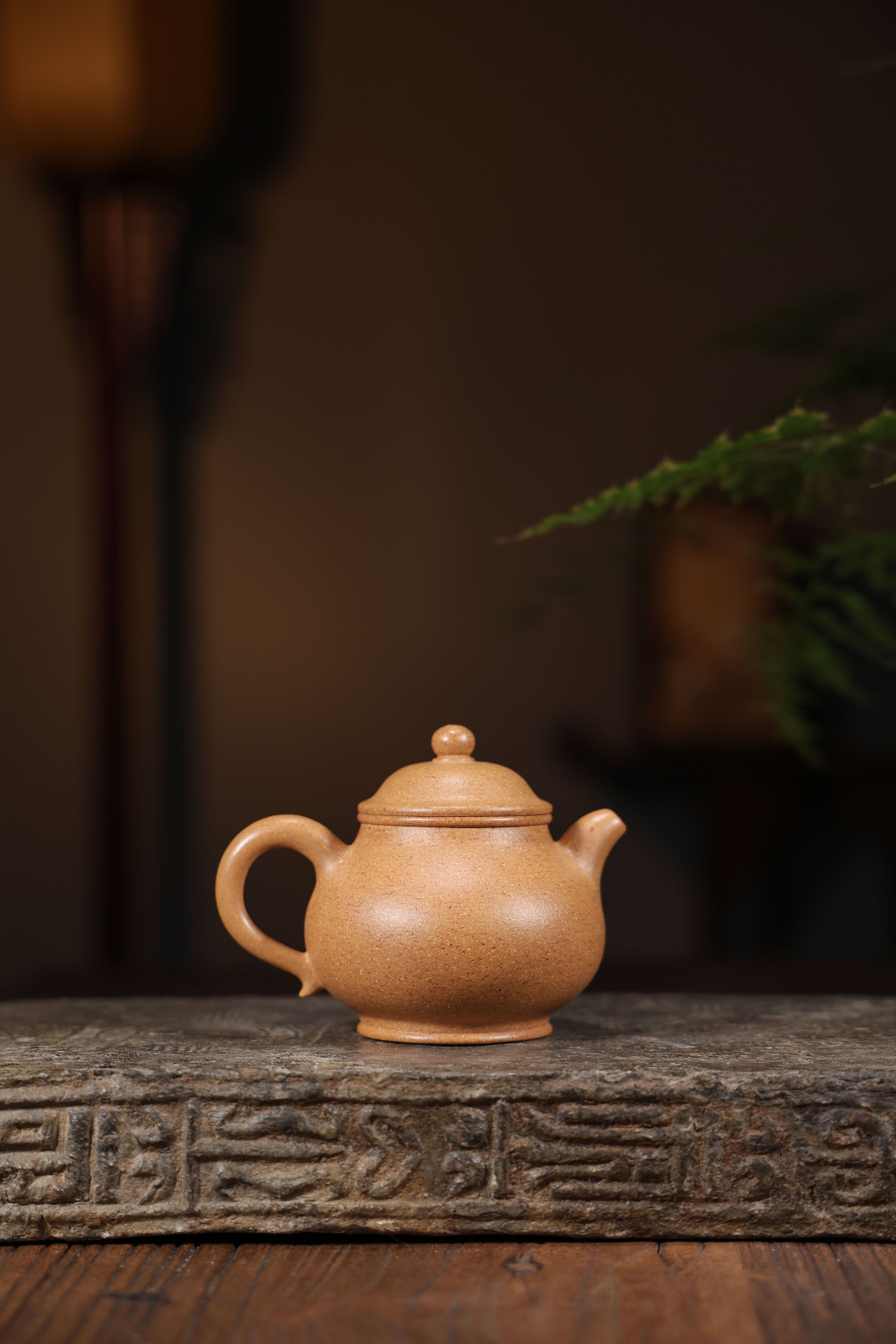
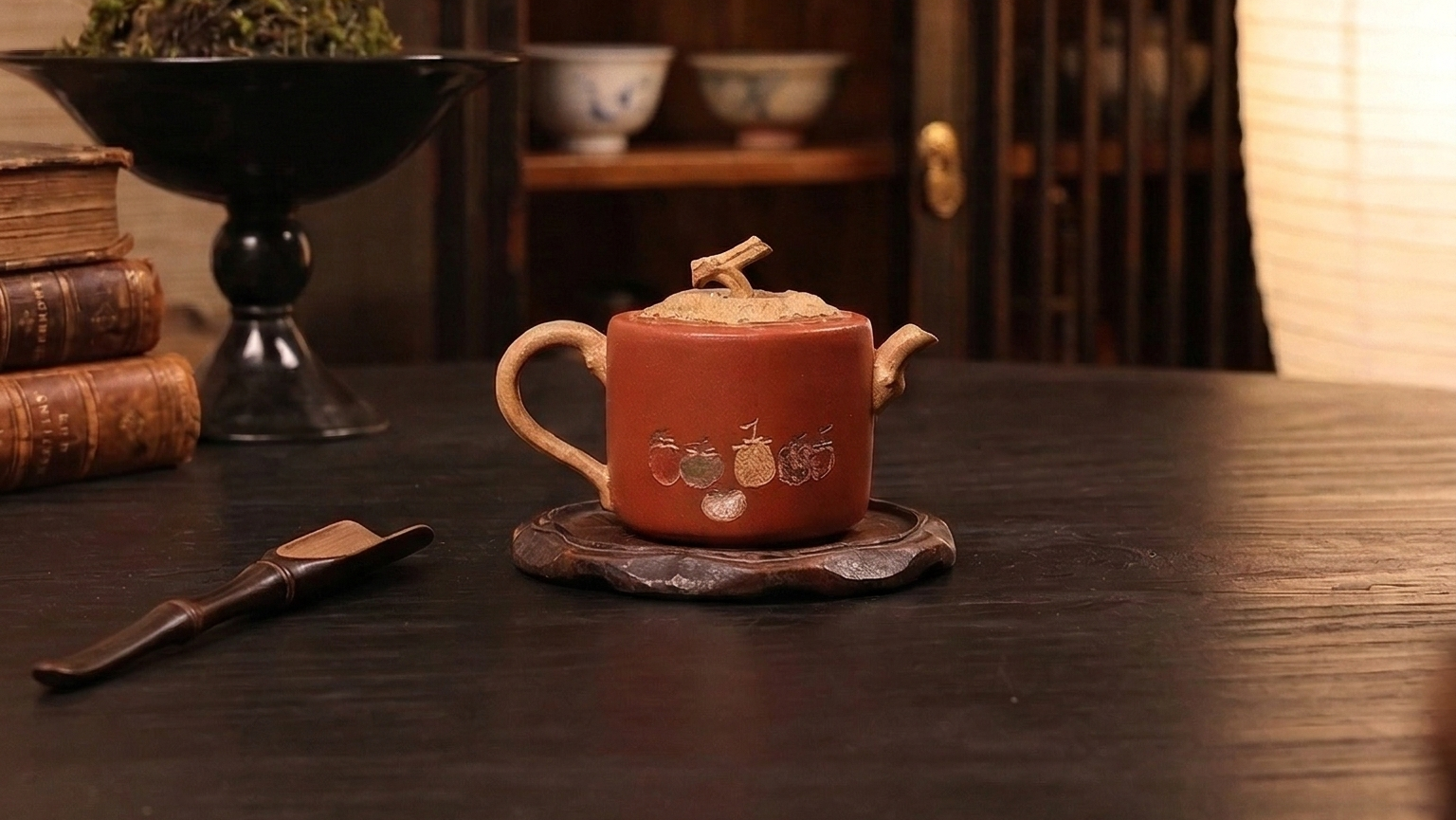
Over centuries, devotees have been absorbed by the unique charm of Yixing Zisha kettles. Originating from the territory of Yixing in the nation of China, these utensils are renowned for their exceptional beauty, scarce clay, and intrinsic ability to perfect the aroma of the drink. The substrate's distinctive mahogany hue, combined with the masterful fabrication of indigenous sculptors, creates products that are jointly functional artwork and valuable assets. Acquiring a Zisha teapot is more than just the purchase; it's experiencing a rich cultural heritage.
Understanding Yixing Teapots: Saga, Models, and Cost
Celebrated Yixing teapots manifest a extensive heritage deeply intertwined with Chinese culture. Emerging in the Yixing region of Jiangsu province, these clay vessels boast a heritage extending back to the Ming Dynasty. Early examples were functional, but throughout centuries, Yixing teapot forging evolved into an esteemed art form. The clay itself, known for its unique composition and ability to augment the flavor of the tea, stays a defining factor. Yixing teapots come in various versions, broadly categorized by shape: Established such as Zhuni (purple clay) and Bisheng, as well as advanced designs. The price of a Yixing teapot is on several factors, including the potter’s distinction, the age Yixing Zisha Teapot of the piece, the rarity of the clay, and its aesthetic charm.- Background: Centuries ago
- Medium: Different forms
- Valuation Parameters: Artisan fame
Mastering Zisha: Process and Artisans
That creation of a authentic Zisha teapot is a challenging process, requiring years of competency. Expert artisans meticulously choose the prime Zisha clay, a specialized earth found only in specific regions of China. Traditional techniques, often bestowed through families, involve exacting shaping, sophisticated carving, and steady firing in ancient incinerators. The concluding teapot isn't merely a container; it's a testament to inventive vision and the significant connection between the fabricator and their inheritance. Each object showcases the particular touch of the maker, resulting in a truly matchless work of art.
Historical Teapots: Investigating the Vast Institutions of the Yixing Locality
Yixing, placed in Jiangsu the expanse, is internationally renowned for its exceptional cookware – a tangible representation of centuries of Chinese craft. These aren't merely vessels for infusing tea; they are intricate works of craft, often reflecting spiritual ideals. Such unique purple clay, known as Zisha, possesses exceptional qualities: the compound dense, diffusive, and imparts a subtle character to the tea.
- Various tribes have honed the techniques of Yixing ceramic making, passing down time-honored methods through successions.
- Aficionados prize these pieces for their loveliness and rareness.
- Every container tells a chronicle, connecting the drinker to a rich history.
Considering Yixing Zisha: Important Factors
In the process of assessing investing in Yixing Zisha vessels, countless parameters command careful assessment. To begin with, the material's shade is noteworthy; authentic Zisha conventionally exhibits a pronounced reddish-brown shading. In addition, assess the workmanship; sharp characteristics and a silky covering show competent construction. Concluding, research the artist’s history; celebrated names fetch greater values and often provide a better appreciation.
Zisha Pot Techniques for Tea Brewing
Infusing sumptuous tea with a Zisha urn is more beyond a simple procedure; it's an discipline. Zisha clay, known for its unique earthen composition, imparts a subtle character to the made tea that’s often deficient with other implements. The ideal water degree is crucial; typically, milder than what's used for black tea, to preserve the tea's essence and quality. Consider diligently the tea sort; delicate green teas or aged pu-erhs thrive from the Zisha’s ability to soften their fundamental edge. It’s critical to preheat the teapot prior to brewing, and to avoid over-steeping. Mastering this procedure leads to a veritably exceptional tea occasion.
- Understanding Zisha Clay
- Thermal Measure & Tea Sort
- Role of Pre-treatment
Preserving Your Yixing Ceramic Pot
With the aim of guarantee the life of your treasured Yixing jar, ongoing servicing is critically important. Never using synthetic products; instead, carefully clean it with pleasantly heated moisture. Steer clear of unexpected changes; refrain position the clay pot directly onto a thermally active burner. Periodically, develop the kettle by brewing it with superior black concoction, as this assists to amplify its flavor and conserves the inherent merits of the substance.
Dealing with Soil to Drinkware: The Path of a Famous Teapot
This creation of a Zisha teapot is a notable procedure, a indication to both the world's bounty and the mastery of the maker. It launches with the careful extraction of the singular clay from the plum Zisha mines close to Yixing. This pure material, known for its exceptional attributes, is then steadily cleaned and molded for the early forming. The pot's contour is professionally crafted using a blend of heritage manipulating approaches, often incorporating ornate figurings. Following drying, the vessel undergoes a decisive first firing, consecutively done by a glazing stage, which might involve various layers of earthy Zisha overlays. Finally, a second, and sometimes third, firing at powerful temperatures brings the creation, revealing its conclusive beauty and extraordinary characteristics - a bona fide masterpiece, primed to grace a tea ritual.
{Yixing Teapots: A Token of the Custom and Tribute
Famous Yixing teapots, originating from the renowned Yixing region of Jiangsu province, are far more than mere containers for brewing the beverage; they represent a significant aspect of Chinese heritage. Created from distinctive purple clay – zisha – these extraordinary teapots are highly cherished for their ability to enrich the flavor of the tea and, crucially, for their grace. The background of Yixing teapot making spans centuries, and the mastery involved is handed down through generations, making each teapot a decorative item that embodies traditional techniques and a profound appreciation for the pure pleasures in life.