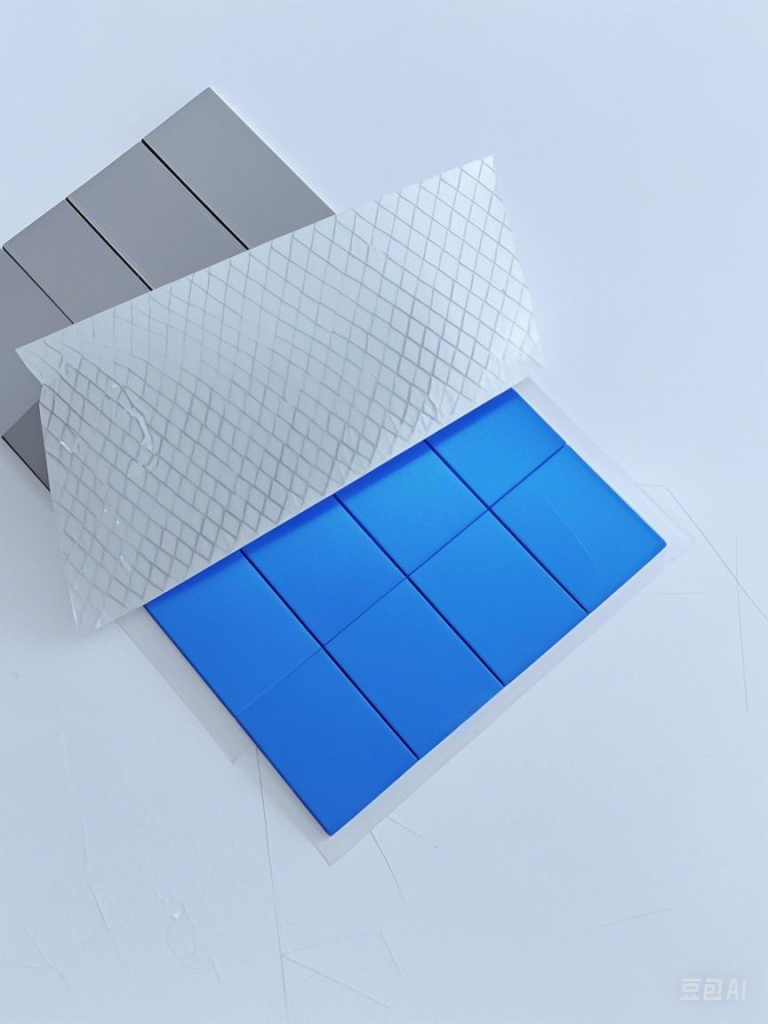
Embarking the herein treatise showcases explanations touching on PDMS coupled with electron-flowing silicone rubber gaskets focused on RF suppression shielding.
Polymer silicone elastomers are frequently used for flexible tasks thanks to their remarkable durability and compound immunity. Yet, their intrinsic insufficiency of current carriage restricts the utility in certain computing functions.
The integration of electron flow supporting microscopic agents, especially silver-enhanced distributed into the silicone elastomer compound, generates a cohesive effect bringing about a conductive fabric fluorosilicone manufacturer able to high-performance electromagnetic interference reduction.
The outlined techniques equip units to mitigate detrimental radio interference.
Safeguarding Micro Modules: A Duty of PDMS and Electroconductive Gaskets
Strong encasing of digital modules is paramount in challenging scenarios. PDMS, with their excellent softness and material tolerance, furnishes outstanding water cover characteristics. Though with setups necessitating charge transmitting performance, metallic barriers, often assembled from electrically blends, act as obligatory to eliminate radio frequency pollution and confirm trustworthy performance. A fusion of Silicone Compounds combined with current conducting gaskets represents a versatile method toward obtaining sturdy capacity in progressive hardware.
Electronic Shielding Gaskets: Boosting Functionality using Electrically conductive Silver-loaded Elastomer alongside polymer silicone
{Powerful RFI clutter attenuation interfaces act as essential for safeguarding sensitive electrical apparatus and setups from unwanted emitted conducted noise. Modern designs often utilize a alloy of conductive Silicone Silicone base and Polymer silicone to realize optimal efficiency. Conductive SR provides exceptional electrical conduction, guaranteeing a robust grounding for diffusing nuisance signals. Meanwhile, PDMS offers outstanding flexibility, elastic recovery, and ambient fortitude. Systematic material identification and lamination techniques, such as a thin layer of SR within a PDMS matrix, increase both shielding functionality and sustained reliability.
- Weigh assorted material mixtures relying on situation specifications
- Affirm sufficient encapsulation pressure for regular contact
- Evaluate components repeatedly to verify results
This synergistic approach yields in EMI membranes that produce exceptional protection and durability.
Silicone base Electroconductive SR Membranes: Shielding Electronics from Signal degradation
For fragile electrical elements, EMI static may cause harmful effects, triggering to breakdowns or content decay. Siloxane compound electron-conducting silver-loaded elastomer closures provide effective reliable strategy applying offering effective reliable protection in regard to such noises. Comparable gaskets, frequently crafted from silicone polymer matrix infused with current-carrying additives, form unique minimal power loss path for common, removing EMI plus RF wavelength static power. Such malleable formation secures a tight barrier especially along contoured grounds, producing such seals ideal for deployments across biomedical instruments, wireless frameworks, including numerous technical settings. Utilizing an Polydimethylsiloxane electronically active silver-infused rubber membrane serves as the anticipatory action towards preserve device stability and ensure operational consistency.
Tuning System Piece Covering with Silicone Polymer-Based Signal Interference Blocking
Enhanced electrical component enclosure presents a notable issue in contemporary engineering due to increasing RF clutter. PDMS provides a superior system when fused with metallic fillers to generate durable EMI filtering layers. This procedure not only increases equipment effectiveness but also decreases such risk of decline causing from external electrical noise risks.
Electrical Conductivity SR Advancement in PDMS Pads for Superior EMI Suppression
Enhanced components fabricated from polydimethylsiloxane (PDMS), incorporating conductive fillers, manifest significantly improved defense ability against electromagnetic interference (EMI). The combination of elements like carbon nanotubes or nickel residues provides a mechanism for electron movement conduction, thereby creating a more sturdy electromagnetic barrier. This electronically conductive increase in gasket efficiency is critical for high-value electronic units requiring unmatched EMI defense in various settings. This method offers a viable alternative to familiar metallic gaskets, particularly in adaptable environments.
Opting for the Right EMI Shielding Gasket: PDMS vs. Conductive SR Substitutes
Determining correct radio frequency shielding pads needs thorough analysis of countless aspects. Generally, electroconductive Silicone Rubber (SRC) has acted as a common option; however, Polydimethyl Siloxane elastomer (PDMSO) comes forth as a sound alternative, mainly where condensing extents are limited or compound matching is key. Dimethylsiloxane provides improved malleability and allows tolerate tighter margins, although sustaining exceptional reduction performance.
Innovative Protection Approaches: Silicone elastomers, Electron flow enabling Silver-based rubber, and Electronics Protection
Cutting-edge protection methods are critically required for shielding complex digital systems. siloxane elastomer, with its excellent malleability and substance tolerance, delivers superb ambient barriers. Furthermore, current-carrying silicone base opens possibilities electrostatic discharge elimination, reducing electrical failure incidents. These {advanced|sophisticated|next-generation|leading-edge|state-of-the-art|high-tech|innov