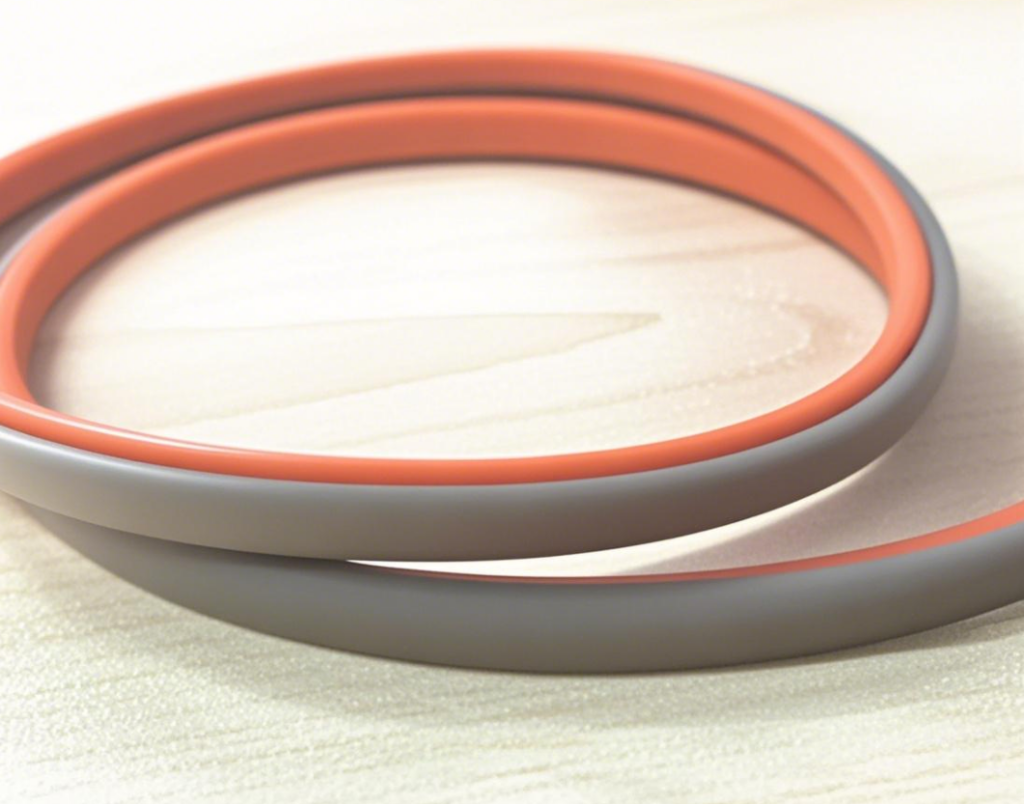
Commencing the subsequent write-up presents understanding concerning siloxane polymer in conjunction with current-carrying SR interfaces pertaining to electromagnetic shielding mitigation.
Siloxane elastomer compounds are broadly utilized within the scope of compliant deployments because of their distinguished hardiness and molecular resistance. Though, their fundamental deficiency of conductivity impedes their performance in specialized electronic cases.
The inclusion of conductive submicron additives, especially silver-coated infused within the silicone base, develops a cohesive effect causing an electron-carrying fabric able to high-performance electromagnetic interference reduction.
The outlined techniques equip units to minimize harmful electrical disturbance.
Enclosing Component Assemblies: Certain Function of Siloxane and Conductive Barriers
Dependable encapsulation of electrical parts is essential in severe circumstances. Polymers, with its distinguished elasticity and substance withstanding, offers impressive wetness barrier attributes. Still with systems necessitating charge transmitting performance, metallic barriers, often assembled from electrically blends, act as imperative to prevent RFI pollution and sustain trustworthy operation. The fusion of Siloxane coupled with charge transporting closures signifies a comprehensive solution for realizing secure output in modern electronics.
Electromagnetic Blocking Membranes: Optimizing Efficiency via Charge carrying Silver composite Elastomer in conjunction with silicone base
{Powerful signal pollution suppression barriers remain important for guarding sensitive computer equipment and systems from unwanted radiated directed noise. Progressive designs often use a mixture of conductive Silicone Elastomer and Siloxane elastomer to ensure optimal capability. Conductive SR provides remarkable electrical flow, providing a robust earthing for mitigating disruptive signals. Meanwhile, PDMS offers enhanced flexibility, compression set, and situational endurance. Detailed material evaluation and structuring techniques, such as a narrow layer of SR within a PDMS matrix, maximize both shielding power and extended stability.
- Consider multiple material combinations depending on application needs
- Affirm appropriate encapsulation strain for constant contact
- Examine closures regularly to support effectiveness
The synergistic technique results in EMI barriers that deliver formidable protection and persistence.
Polydimethylsiloxane Electron-transmitting SR Components: Maintaining Electronics from Pollution
Pertaining to vulnerable technological segments, EMC interference might demonstrate undesirable effects, resulting for breakdowns or records degradation. Polymer silicone electronically active silver-filled elastomer membranes ensure a robust means via supplying an robust cover in the face of these interventions. Equivalent seals, regularly engineered using silicone compound mixture loaded with electroconductive particles, establish optimized low-impedance route into return path, dissipating EMC including communications frequency disturbance radiation. Those elastic design guarantees effective solid cover mainly over rough boundaries, producing such seals valuable for uses across diagnostic instruments, broadband architectures, and various industrial environments. Using the Siloxane compound electroconductive silver composite rubber interface acts as effective preemptive method designed to protect assembly soundness with secure active durability.
Enhancing Electrical Component Sealing with PDMS-Based Signal Disruption Attenuation
Efficient technological element protection presents a significant concern in advanced construction due to heightened signal interference. Silicone brings a distinctive approach when linked with electron-conductive inclusions to build robust EMI attenuation membranes. This strategy not only improves gadget capability but also lessens resulting hazard of degradation resulting from exogenous electromagnetic interference threats.
Electron Flow-Based SR Boost in PDMS Seals for Optimized EMI Blocking
Novel membranes fabricated from polydimethylsiloxane (PDMS), incorporating current conducting fillers, present significantly improved shielding power against electromagnetic interference (EMI). The inclusion of substances like graphene-based nanotubes or nickel microflakes provides a conduit for current propagation, thereby creating a more resilient electromagnetic barrier. This electron-transmitting upgrade in gasket ability is critical for delicate electronic elements requiring high EMI suppression in various fields. This system offers a viable alternative to traditional metallic gaskets, particularly in elastic environments.
Selecting the Right EMI Suppression Gasket: PDMS vs. Conductive SR Selections
Picking adequate radio suppression membranes necessitates exhaustive consideration of diverse grounds. Often, charge carrier Silicone Rubber (Silver rubber) is a regular decision; however, Dimethyl Silicone (Dimethylsiloxane) presents as a effective fallback, particularly where crushing amounts are curtailed or matrix cooperation is critical. PDMSO delivers exemplary adaptability and can manage closer thresholds, notwithstanding maintaining good protection efficiency.
Next-generation Enclosure Strategies: PDMS, Electrically conductive Silver-loaded elastomer, and Technological apparatus Preservation
Breakthrough enclosure frameworks are notably indispensable for securing key equipment assemblies. Polydimethylsiloxane, with its exceptional flexibility and chemical resistance, affords notable situational screens. transparent conductive film What's more, charge transporting siloxane elastomer supports static electricity release, minimizing static damage situations. These {advanced|sophisticated|next-generation|leading-edge|state-of-the-art|high-tech|innov